Safe Space Mapping: Create Your Personal Guide

Feeling at ease can depend on more than the place you are in. The people around you, your ability to set boundaries, and even your options for taking a break can all make a difference. Safe space mapping offers a practical way to notice those factors and consider what might help you feel more comfortable.
Our digital ebook, A Guide to Safe Space Mapping, offers a way to explore the idea more intentionally. Safety is personal, though, and what feels supportive today may change with your circumstances.
What Is Safe Space Mapping?
Safe space mapping is the process of identifying places, people, routines, boundaries, and resources that may support your sense of safety. Your map might include a quiet room, a trusted friend, a regular check-in, or an online community where you can control who contacts you.
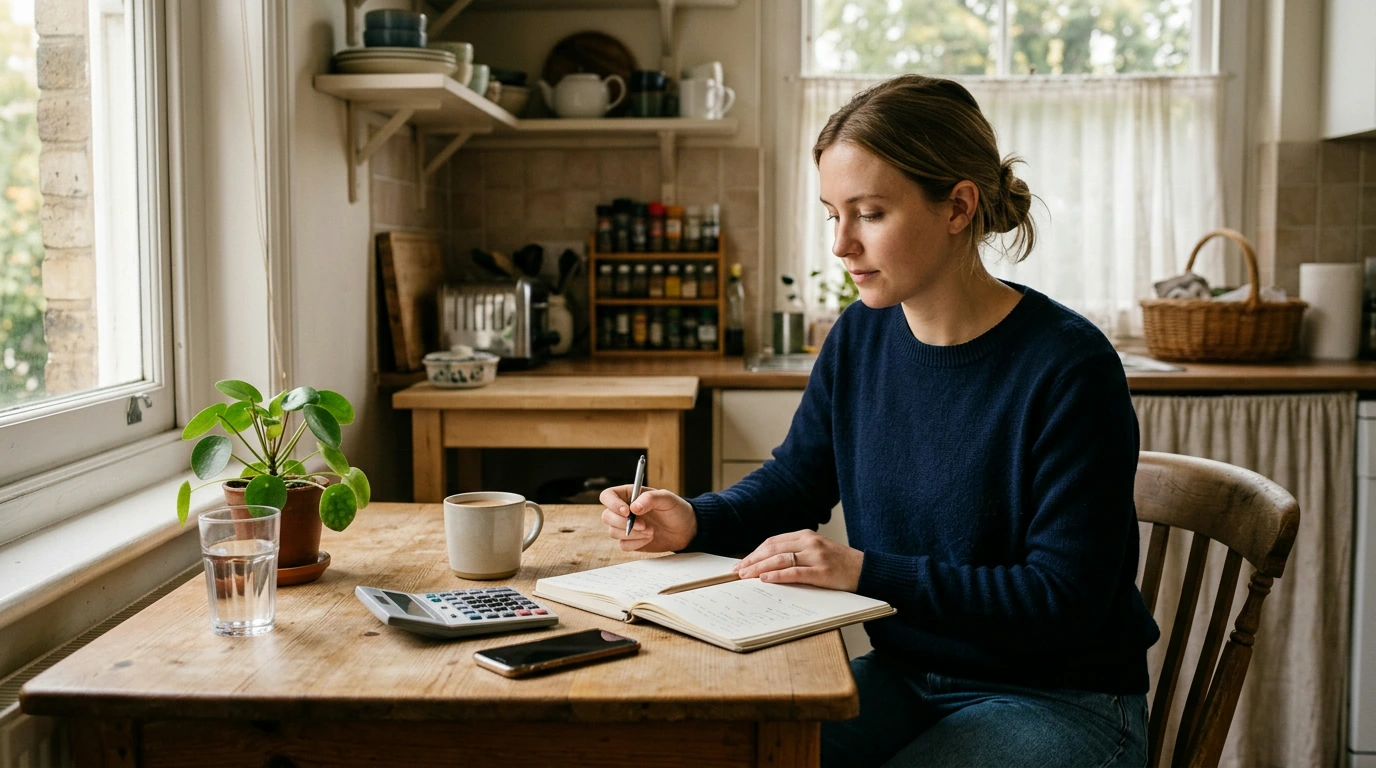
A map does not have to look like a geographic map. It can be a list, a few notes on your phone, or a diagram connecting the settings and people you associate with support. The useful part is reflecting on what helps and what does not.
Feeling safer is not the same as being guaranteed protection. A setting that works well for someone else might feel uncomfortable to you, and a familiar place can feel different when the people or circumstances change. You get to decide which details matter to your own map.
Notice What Helps You Feel at Ease
Start by thinking about the environments you use regularly. Consider whether you can enter and move around comfortably, whether you have enough privacy, and whether a trusted person is available. You might also notice whether you can leave, pause a conversation, or take a break without pressure.
Include both in-person and online settings if they are relevant to your life. Neither is inherently safe: a welcoming room can still present barriers, and an online group can change as its members or privacy settings change.
Use the questions below as a starting point for reflection, not as a checklist that guarantees safety. An adjustment that helps in one situation may not be practical or helpful in another.
| Area to consider | Reflection question | Possible adjustment |
|---|---|---|
| Physical surroundings | Can I comfortably enter, move around, and leave? | Choose an accessible location with a clear exit. |
| People and support | Is there someone here I trust to listen? | Arrange to connect with a trusted person. |
| Privacy and boundaries | Can I decide what to share and when to take a break? | Set a boundary or choose a more private setting. |
| Online spaces | Can I control who contacts me or sees my information? | Review privacy settings and block unwanted contact. |
You can also pay attention to your choices within a setting. For example, sitting near an exit, meeting at a quieter time, or deciding not to respond immediately to messages may give you more room to manage your experience. If an adjustment is not available, that is useful information for your map too.
Create and Use a Personal Map
Our team recommends keeping the first version simple. Choose two or three settings you encounter often, such as a workplace, a friend’s home, a community space, or a group chat. For each one, write down:
- What feels supportive or comfortable.
- What feels uncomfortable, uncertain, or difficult to access.
- One change you could try, if it feels appropriate.
For instance, you might value a community group’s friendly conversations but find its busy meeting room overwhelming. One possible change could be asking a trusted member to meet you outside before you enter. For an online group, you might keep notifications off or review who can see your profile.
Your map is personal information. Keep it somewhere private, or share it only with someone you trust. You do not have to explain every choice or disclose more than you want to. Revisit your notes when your needs, relationships, or circumstances change; you can remove an entry as readily as you add one.
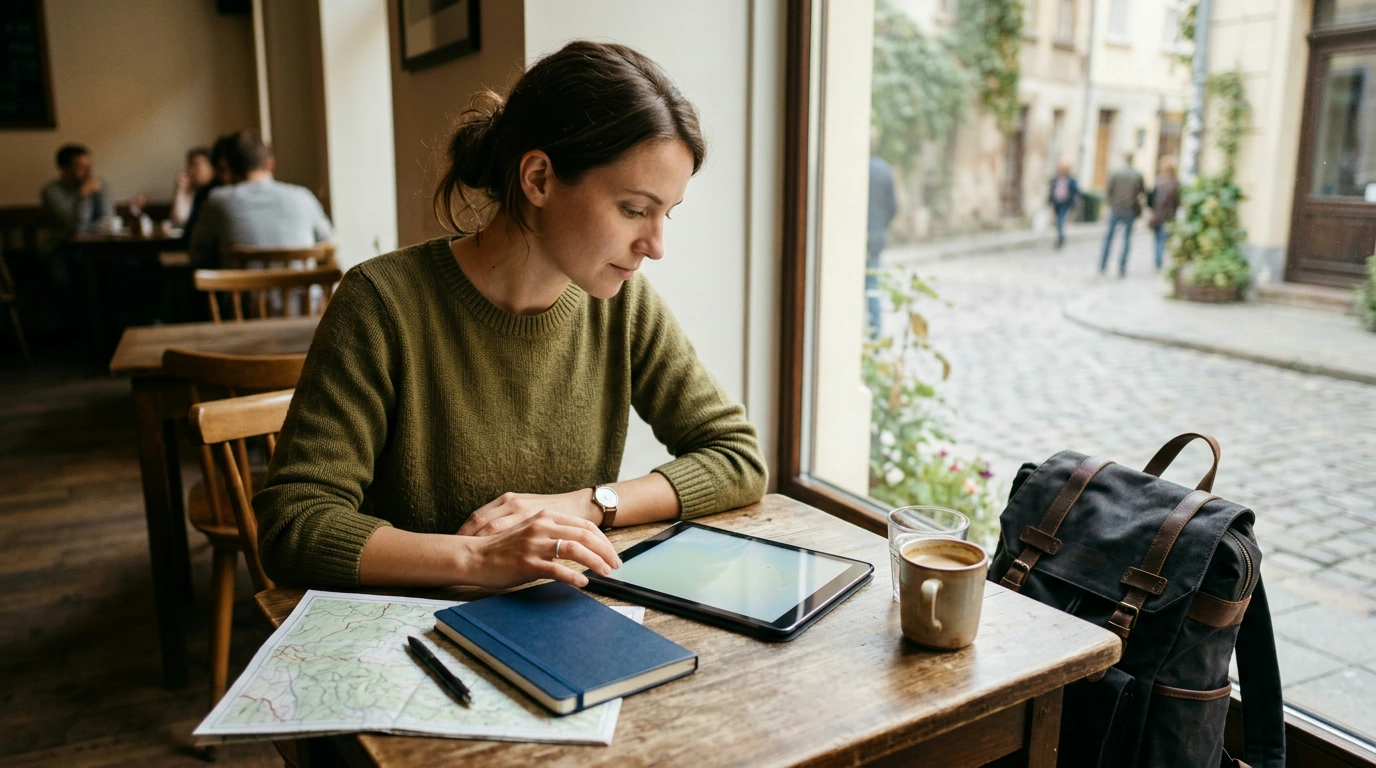
If travel is part of your planning, our Travel Security & Scam Awareness Guide is another digital resource to consider alongside your personal map. You might use your map to note trusted contacts and accessible places in an unfamiliar destination.
Explore the Digital Ebook
We offer A Guide to Safe Space Mapping as a digital ebook for readers who want to consider understanding, creating, and using safe spaces more intentionally. It is listed at $16.99 USD; visit the product page for current availability and purchase details.
A guide can support reflection, but it is not a substitute for professional support or an emergency safety plan. The Substance Abuse and Mental Health Services Administration offers mental health information and resources. If you are experiencing a crisis in the United States, you can contact the 988 Suicide & Crisis Lifeline; if there is immediate danger, call 911.
FAQ
What is a safe space map?
A safe space map is a personal way to identify settings, people, boundaries, and resources that may help you feel safer or more comfortable. It can be a simple list or diagram that you update as your needs change.
Can a safe space be online?
Yes. Privacy controls, respectful interactions, and the ability to leave or block contacts can help you feel more comfortable, although online safety is never guaranteed.
Is the safe space mapping guide a physical book?
No. The guide is listed as a digital ebook; visit the product page for current purchase details.









Leave a comment